Attic Ventilation Installation for Homes in Boise, ID
Attic ventilation installation in Boise, ID protects your roof and home structure by managing heat and moisture through balanced airflow systems designed for Idaho's four-season climate.
How Does Attic Ventilation Prevent Roof Damage?
Balanced attic airflow reduces trapped heat in summer and prevents condensation in winter, protecting roof decking and shingles.
In Boise, summer temperatures can push attic heat above 150 degrees. Without proper ventilation, this heat accelerates shingle aging and warps decking materials. Moisture from daily activities rises into attics during cold months. When warm air meets cold roof surfaces, condensation forms and can lead to mold growth or wood rot.
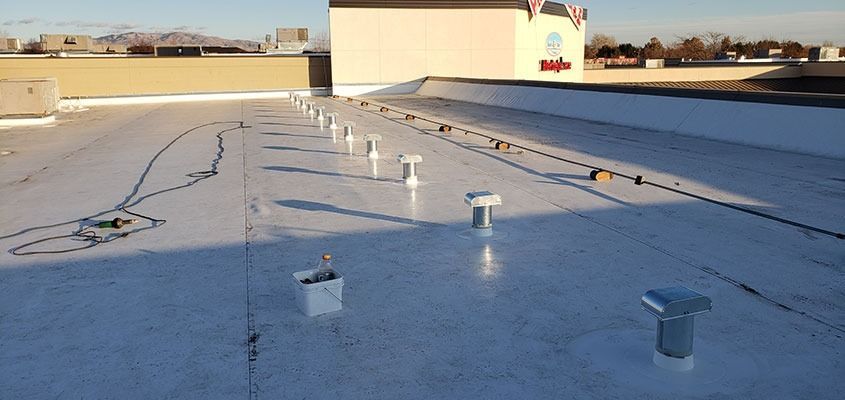
Ventilation systems pair intake vents at the eaves with exhaust vents at the ridge or gable. This creates continuous airflow that removes heat and moisture before damage occurs. Homes with proper ventilation typically see longer roof lifespans and fewer repair needs. For additional roof protection strategies, roof repair services in Boise address damage from ventilation issues and other causes.
Which Ventilation Systems Work Best in Boise?
Ridge and soffit vent combinations deliver consistent performance in Idaho's climate by promoting natural convection airflow.
Ridge vents run along the roof peak and allow hot air to escape naturally. Soffit vents installed under eaves bring cooler air into the attic. Together, they create a steady flow without mechanical parts. This passive system works reliably through temperature swings and requires minimal upkeep.
Gable vents and powered attic fans offer alternatives for certain roof designs. Gable vents suit homes where ridge vents are impractical due to roof shape. Powered fans can boost airflow in large attics but require electrical connections and regular maintenance. The right choice depends on your home's structure, existing ventilation, and local building codes.
Do Ice Dams Signal Poor Attic Ventilation?
Ice dams form when warm attic air melts roof snow unevenly, causing water to refreeze at eaves and back up under shingles.
Boise winters bring freeze-thaw cycles that test attic insulation and ventilation. When attic heat escapes through the roof, it melts snow on upper sections. Meltwater flows down to cold eaves and refreezes, forming ice ridges. Water trapped behind these dams can seep under shingles and into walls.
Proper ventilation keeps the entire roof surface at a uniform temperature by preventing heat accumulation. Combined with adequate insulation, this stops the melt-refreeze pattern that creates ice dams. Homeowners who notice recurring ice buildup should assess both ventilation and insulation before the next winter season.
What Local Building Codes Govern Attic Ventilation in Boise?
Boise follows Idaho residential codes requiring one square foot of vent area per 150 square feet of attic space with balanced intake and exhaust.
Local codes ensure homes have sufficient airflow to prevent moisture damage and extend roof life. Inspectors verify that new installations meet these ratios during construction or re-roofing projects. Retrofitting older homes may require adding soffit vents or upgrading existing systems to current standards.
Building permits are typically required when installing new ventilation components or making structural changes to roof framing. Working with experienced contractors helps ensure compliance and proper installation. For professional guidance on ventilation upgrades, maintenance program services in Boise include inspections and system planning tailored to your home.
Attic ventilation protects your Boise home from heat damage, moisture buildup, and ice dams by maintaining balanced airflow year-round. Madison Roofing provides expert attic ventilation installation designed for Idaho's climate. Schedule your consultation at (208) 344-5379.